
More kiwi arrive
Another 20 Little Spotted Kiwi kiwi were translocated from Kapiti Island in March. Here is a short video about their release.
Another 20 Little Spotted Kiwi kiwi were translocated from Kapiti Island in March. Here is a short video about their release.
We now have North Island Robins at Shakespear Open Sanctuary. Many happy volunteers and Sossi members watched 20 robins released on Friday 8th April. This represented the end of the first stage of the translocation of North Island Robins to Shakespear Open Sanctuary. These robins were translocated from Mangatutu in the central North Island. This …
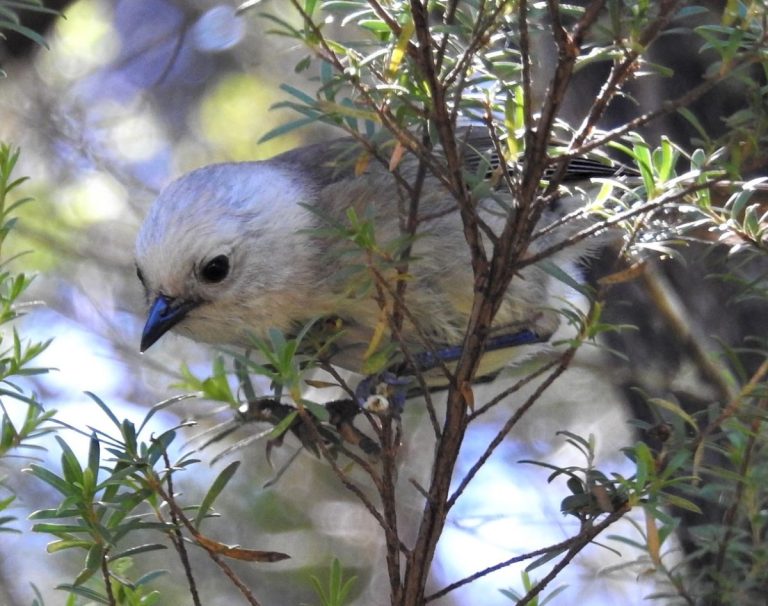
Join us behind the scenes of the recent pōpokotea (whitehead) translocation from Shakespear to Mataia and hear from translocation expert Kevin Parker.
Another 20 robins have now arrived at Shakespear, this time from nearby Tiritiri Matangi. This brings the total to 40, which should be enough to establish a permanent population. Update Aug 2016: Here is a new iseevideo documentary about translocation. It is 15 minutes long and very informative. The earlier and shorter version is below.
There are some gregarious new residents at Shakespear Regional Park! While other birds have repopulated the area naturally since pests were removed, recent events saw the first release of native birds behind the predator-proof fence. In July 2015, after many months of behind-the scenes work, a group of bird translocation experts and experienced volunteers caught…
A comprehensive digital encyclopedia of NZ birds is now available online. To quote Graeme Taylor, DOC Principal Science Advisor: This new website has an excellent function that can be used to identify birds where the people concerned know very little about birds in general. It uses a system of habitat groups or broad plumage patterns…
While dotterel are known to breed at Shakespear, prior to this year none have managed to raise their chicks to fledglings. This year four pairs have had chicks, three of them surrounded by crowds of holiday-makers on Te Haruhi beach, with about two fledgings per pair. This is well ahead of the average of half…