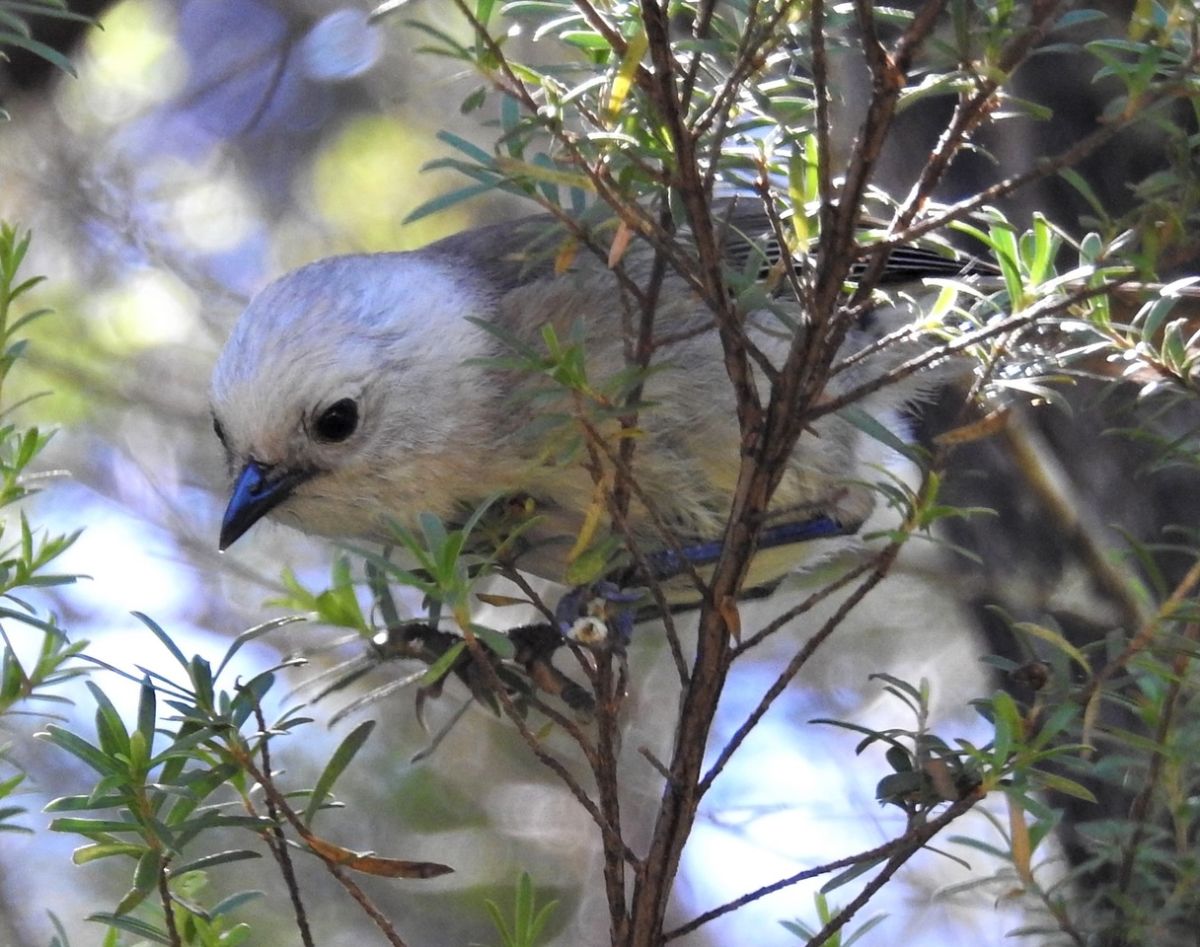
Pōpokotea (whitehead) translocation

Join us behind the scenes of the recent pōpokotea (whitehead) translocation from Shakespear to Mataia and hear from translocation expert Kevin Parker (Parker Conservation) about the careful work involved in moving these taonga.

As always, a big thank you to local videographer and regular volunteer Ian Miller for capturing these special moments.

Pōpokotea (whitehead) translocation

Similar Posts

  • |

    The fence is working

    While dotterel are known to breed at Shakespear, prior to this year none have managed to raise their chicks to fledglings. This year four pairs have had chicks, three of them surrounded by crowds of holiday-makers on Te Haruhi beach, with about two fledgings per pair. This is well ahead of the average of half…

  • Robins update

    In April last year 40 North Island robins (toutouwai) were re-introduced to Shakespear. Thirteen pairs established and have now completed their first breeding season with 34 chicks being raised. Kowhai Glen was the most productive area, producing 11 young. For some unknown reason the pairs in the apparently good habitat on the Defence Force land…

  • | |

    Have you seen a bulbul?

    The destructive and aggressive red-vented bulbul has now been seen in several parts of Auckland, including our Whangaparaoa Peninsula. Evidently they like nice gardens and compost heaps, especially one with food scraps. If you see one please record the time and place, take a photo if you can and call Biosecurity on 0800 80 99…

  • Shakespear Bellbirds

    By Michell Roper Massey University researchers (including Prof. Dianne Brunton and PhD student Michelle Roper) are monitoring the New Zealand bellbird (Anthornis melanura) population at Shakespear Regional Park to look at their natural dispersal back into the park and as part of a wider study on song development and dialects.  Bellbirds occur on various islands…

  • |

    Whiteheads arrive

    There are some gregarious new residents at Shakespear Regional Park! While other birds have repopulated the area naturally since pests were removed, recent events saw the first release of native birds behind the predator-proof fence. In July 2015, after many months of behind-the scenes work, a group of bird translocation experts and experienced volunteers caught…