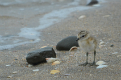
The fence is working

Dotterel chick
Dotterel chick

While dotterel are known to breed at Shakespear, prior to this year none have managed to raise their chicks to fledglings. This year four pairs have had chicks, three of them surrounded by crowds of holiday-makers on Te Haruhi beach, with about two fledgings per pair. This is well ahead of the average of half a fledging per pair which is needed to sustain the population.
Similar Posts

  • | |

    Pampas Grass

    Pampas grass is our featured pest plant this month, because right now its seed heads are evident everywhere in our district.   The plants form large grassy clumps with a dead leaf base. Its erect and bushy flower heads are quite attractive and easily recognised, emerging  January to March, but unfortunately they are prolific producers of seeds which then blow…

  • | |

    SOSSI is growing

    SOSSI and Tuesday volunteers have completed a major upgrade of the Sossi nursery, with financial support from Auckland Council and Pub Charity. This has created a more efficient production unit for pricking out and bagging on new young seedlings as they arrive from the Botanic Gardens who are doing the seed propagation work for us….

  • Tīeke arrive

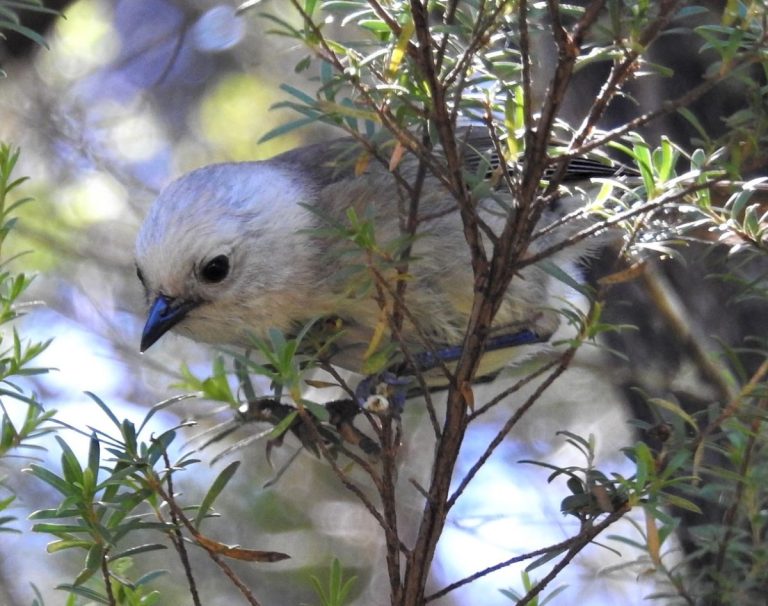
    Forty tīeke from TiriTiri Matangi were released into bush on the NZ Defence Force land on Saturday 26th of May, and a  further 10 were moved from Tāwharanui on 14th and 15th of June.   Strong winds on the day meant that the 3km transfer was made by helicopter rather than ferry. The catching team used…

  • | |

    Woolly Nightshade

    This month’s pest plant is Woolly Nightshade, also known as tobacco plant or flannel plant because its leaves have a velvety texture .  It has dense clusters of purple flowers, green or yellow berries about 1cm in size and oval, grey-green leaves. It is a major problem because its seeds are spread by birds, it colonises readily and it…

  • |

    More robins

    Another 20 robins have now arrived at Shakespear, this time from nearby Tiritiri Matangi. This brings the total to 40, which should be enough to establish a permanent population. Update Aug 2016: Here is a new iseevideo documentary about translocation. It is 15 minutes long and very informative. The earlier and shorter version is below.

Leave a Reply

Your email address will not be published. Required fields are marked *